
Chicago winters are tough on concrete. Here’s how to know whether your driveway needs repairs, replacement, or a plan for spring 2027.
As temperatures begin dropping across the Chicago suburbs, homeowners are preparing their properties for another Illinois winter. While cleaning gutters, winterizing landscaping, and preparing for snow are often at the top of the list, there’s one important area of your home you shouldn’t overlook: your concrete driveway.
If you’ve noticed cracks, uneven sections, crumbling edges, or pooling water, you might be wondering whether your driveway can make it through another winter or if it’s finally time for a replacement.
At Fortis, we’ve spent over 31 years helping homeowners throughout the Chicago suburbs with residential concrete and asphalt projects. Here’s what you should know before freezing temperatures arrive.
Why Do Concrete Driveways Crack During Illinois Winters?
Illinois weather can be particularly challenging for exterior concrete.
Throughout the winter, temperatures regularly fluctuate above and below freezing. This creates what’s known as the freeze-thaw cycle.
When water enters existing cracks or porous areas of concrete and freezes, it expands. As temperatures rise, the ice melts. Repeated freezing and thawing can gradually contribute to cracking, surface deterioration, and other damage.
Add snow removal, road salt, and years of everyday vehicle traffic, and your driveway can begin showing signs of wear.
Although concrete is designed to be durable, even properly installed surfaces require maintenance over time.
5 Signs Your Concrete Driveway May Need Replacing
Not every crack means it’s time for a completely new driveway. However, certain warning signs suggest that repairs alone may not be enough.
1. Large or Widespread Cracks
Small, isolated cracks may be repairable, depending on their cause and condition.
However, when cracks spread across multiple sections of your driveway, continue widening, or repeatedly return after repairs, there may be underlying issues that need to be addressed.
2. Uneven or Sinking Concrete
Have you noticed one section of your driveway sitting higher or lower than another?
Uneven concrete can result from soil movement, inadequate base support, settlement, or other underlying conditions.
Beyond affecting your home’s appearance, uneven sections can create tripping hazards and drainage concerns.
3. Pooling Water
Water should drain appropriately away from your home and driveway.
If rainwater or melting snow consistently collects in certain areas, it may indicate a grading or drainage issue.
Standing water can become particularly problematic during winter when temperatures drop and icy surfaces develop.
4. Crumbling or Flaking Concrete
If the surface of your driveway is peeling, scaling, or breaking apart, winter exposure may be contributing to its deterioration.
Surface damage can have several causes, including moisture exposure, deicing chemicals, improper finishing, or aging concrete.
An experienced concrete contractor can help determine whether the damage is superficial or more extensive.
5. Constant Repairs
Have you patched the same driveway year after year?
While repairs can be effective for certain issues, repeatedly fixing a deteriorating driveway may become frustrating and costly.
If your concrete has extensive damage throughout multiple sections, a complete replacement may be a more practical long-term investment.
Is It Better to Repair or Replace a Concrete Driveway?
The answer depends on the condition of your existing concrete.
Concrete repairs may be appropriate when:
Cracks are minor and isolated.
Most of the driveway remains structurally sound.
Surface damage is limited.
Drainage and settlement are not significant concerns.
Concrete replacement may be worth considering when:
Cracking is extensive throughout the driveway.
Multiple slabs are sinking or shifting.
The surface is severely deteriorating.
Drainage problems require significant corrections.
Previous repairs have failed repeatedly.
Every driveway is different, which is why having a professional evaluate its condition can help you determine the best next step.
Can You Replace a Concrete Driveway During an Illinois Winter?
Technically, concrete can be installed in cold weather with specialized materials, preparation, and protection. However, freezing temperatures and frozen ground create additional challenges for residential concrete installation.
Fresh concrete must be protected from freezing while it develops strength, and proper ground preparation is essential.
For many residential driveway projects throughout the Chicago suburbs, spring through fall provides more favorable installation conditions.
That’s why late October is an excellent time to begin planning a driveway replacement for spring 2027.
Even if your project won’t be installed until warmer weather returns, you can start discussing your options and requesting estimates now.
How Can You Protect Your Concrete Driveway Before Winter?
If your driveway is still in good condition or you’re planning to replace it next spring, a few preventive steps can help reduce winter-related damage.
Inspect existing cracks. Look for areas where water may enter and determine whether repairs are needed before freezing temperatures arrive.
Check drainage. Make sure water isn’t consistently pooling near your driveway, garage, or foundation.
Use deicing products carefully. Some deicing chemicals can damage concrete, particularly newer surfaces. Follow your concrete contractor’s recommendations, and consider sand for traction.
Keep your driveway clear. Removing snow promptly can help reduce prolonged moisture exposure and icy conditions.
Avoid ignoring recurring problems. If cracks, settlement, or drainage concerns continue worsening, schedule a professional evaluation.
A little attention before winter can help you better understand your driveway’s condition and prepare for future improvements.
When Is the Best Time to Schedule a Concrete Driveway Replacement in Illinois?
While many homeowners begin contacting concrete contractors when the first warm days of spring arrive, you don’t have to wait until then to start planning.
Fall and winter are excellent times to research contractors, discuss project details, explore concrete finishes, and request estimates for the upcoming season.
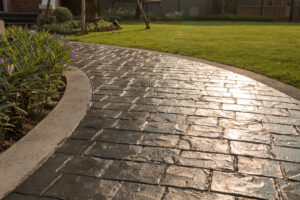
At Fortis, we provide a variety of residential concrete options, including traditional brush finish, California finish, decorative borders, and other custom concrete applications.
Whether you’re looking to replace an aging driveway, improve your home’s curb appeal, or redesign your front entrance, planning ahead can make the process more organized.
With spring 2027 approaching in just a few months, now is the time to start thinking about your next residential project.
Is Your Driveway Ready for Another Chicago Winter?
If your concrete driveway is showing signs of cracking, settling, or deterioration, don’t wait until those problems become more extensive.
Whether your driveway needs attention now or you’re considering a complete replacement in spring 2027, Fortis is here to help.
Get ahead of the spring rush. Contact Fortis today to request an estimate for your residential concrete project.
Built by Family, Trusted by Yours.