
If you live in St Charles, Geneva, Batavia, Bloomingdale, Arlington Heights, or surrounding Chicago suburbs, you may notice new cracks in your driveway every spring.
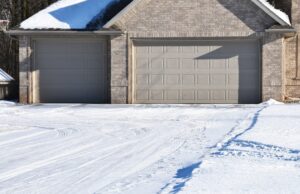
After months of snow, ice, and freezing temperatures, concrete driveways across Illinois often show signs of damage once everything melts.
If your driveway is cracking after winter, here is why it happens and what you should do next.
Freeze Thaw Cycles in Illinois
The number one reason concrete driveways crack after winter is the freeze thaw cycle.
Concrete is porous. During winter, water seeps into small pores and hairline cracks in the surface. When temperatures drop below freezing, that water expands. When temperatures rise, it contracts.
In the Chicago suburbs, temperatures often swing above and below freezing dozens of times each winter. This repeated expansion and contraction puts pressure on the concrete and leads to:
Surface cracks
Wider structural cracks
Spalling or flaking
Sections that lift or sink
Over time, this stress weakens the slab and causes visible cracking.
Salt and De Icing Damage
Road salt and de icing products help melt ice but can accelerate concrete deterioration.
Salt allows moisture to penetrate deeper into the surface of the concrete. When that moisture freezes again, it increases internal pressure and surface damage.
If your driveway looks chipped, flaky, or rough after winter, salt damage may be contributing to the problem.
This is very common in St Charles, Geneva, and surrounding Illinois communities where heavy salting is routine.
Poor Drainage Around the Driveway
Drainage plays a major role in how long your driveway lasts.
If water pools along the edges of your driveway or drains toward the slab instead of away from it, more moisture enters the concrete. The more moisture inside the slab, the more severe freeze thaw damage becomes.
Proper grading and base preparation are critical for long term durability.
Age and Installation Quality
In Illinois, a properly installed concrete driveway can last 25 to 30 years.
However, cracking can appear much sooner if:
The base was not compacted properly
The driveway was poured too thin
Control joints were not placed correctly
The concrete mix was too weak
Reinforcement was insufficient
Winter weather exposes weaknesses in older or improperly installed driveways.
Can Cracked Concrete Be Repaired?
Minor hairline cracks can often be sealed to prevent them from spreading.
Surface damage may sometimes be corrected with resurfacing.
However, if you are seeing:
Large cracks
Uneven or sunken slabs
Multiple areas of damage
Significant spalling
A full driveway replacement may be the better long term investment.
An experienced concrete contractor in the Chicago suburbs can evaluate the condition and recommend the most cost effective solution.
Is Spring a Good Time to Replace a Driveway in Illinois?
Yes. Spring is one of the best times to replace a concrete driveway in St Charles, Geneva, Batavia, Bloomingdale, Arlington Heights, and nearby communities.
Temperatures are ideal for proper curing, and completing the project in spring ensures your driveway is ready for summer.
Many homeowners begin searching for concrete driveway contractors near me as soon as the snow melts, so early scheduling is recommended.
What Should You Do If Your Driveway Is Cracking After Winter?
If you notice new cracks this spring:
Do not ignore them
Monitor whether they are spreading
Avoid excessive salt use
Schedule a professional evaluation
Small cracks can become larger structural issues if left untreated.
Fortis Paving provides residential concrete driveway repair and replacement throughout the Chicago suburbs. If your driveway is cracking after winter, we can help determine whether repair or replacement makes the most sense for your home.
Contact Fortis Paving for a free estimate and secure your spring project before peak season fills up.